The Official website of Tourism Authority of Thailand
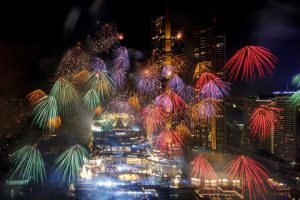
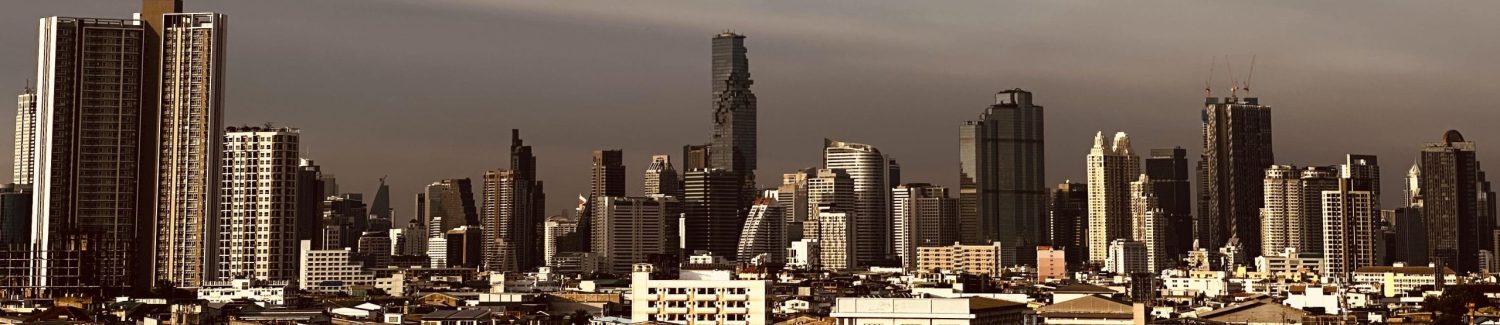
An increasing of tourists visiting Bangkok each year has proven that Bangkok is always a popular City for tourists. For major tourist attractions in Bangkok, most of them are Historical sites or religious sites such as temples in Bangkok. There are both chilling places like Chatuchak Weekend Market, Sampeng Market, Yaowarat and Phahurat night market or luxury level such as many leading department stores in all areas of Bangkok as well. There are also other interesting places such as palaces, museums, parks, as well as various Shopping centres in Bangkok.
The Australian and New Zealand governments and media in particular strongly condemned the coup. In 2008, after New Zealand refused to grant a study visa to the son of a Fijian government official due to the postponement of elections, Fiji expelled New Zealand’s acting high commissioner to Fiji. New Zealand’s Minister of Foreign Affairs Winston Peters described the crisis as a coup and a “creeping siege on democratic institutions”. The New Zealand Government also stated those taking part in the coup will be banned from entry to New Zealand, and that military ties, aid and sporting contacts would be cut. Clark said that she would consider sanctions against Fiji. In response, New Zealand expelled Fiji’s high commissioner to New Zealand.
 The Interim Cabinet received support from the Fiji Human Rights Commission (FHRC) and its chairwoman Shaista Shameem. Shameen agreed with Commodore Bainimarama’s views regarding Prime Minister Qarase’s allegedly racist and divisive policies. In 2007, the FHRC commissioned an inquiry into the 2006 general election (which had seen Qarase re-elected as prime minister), intended to reveal whether it had truly been “free and fair”. More specifically, the report stated that Indo-Fijian voters were provided with incorrect information regarding the voting process, that they were mis-registered in their constituencies to a far greater extent than other voters, and that, as an ethnic group, they faced specific impediments to voting (such as an absence of voting slips required for Indo-Fijian voters) in key marginal constituencies.
The ‘democracy’ which came to be practised in Fiji was marked by divisive, adversarial, inward-looking, race-based politics. Of the two major communities, indigenous Fijians were instilled with fear of dominance and dispossession by Indo-Fijians, and they desired protection of their status as the indigenous people. The legacy of leadership, at both community and national levels, was a fractured nation. Indo-Fijians, on the other hand, felt alienated and marginalised, as second-class citizens in their own country, the country of their birth, Fiji. Fiji’s people were not allowed to share a common national identity. Fiji will look at making the necessary legal changes in the area of electoral reform, to ensure true equality at the polls.
Radio New Zealand International. Political support and opposition for Fiji during both the coup itself and the period of military rule. Wikipedia® is a registered trademark of the Wikimedia Foundation, Inc., a non-profit organization. By using this site, you agree to the Terms of Use and Privacy Policy. Text is available under the Creative Commons Attribution-ShareAlike License 3.0; additional terms may apply. ABC – PM program. This page was last edited on 19 January 2023, at 17:57 (UTC). ABC – PM program.